
Women already run a third of Africa’s businesses, dominate its informal trade, and hold its care economy together. The question is no longer whether they contribute. It’s whether our policies and institutions are built to let that contribution compound.
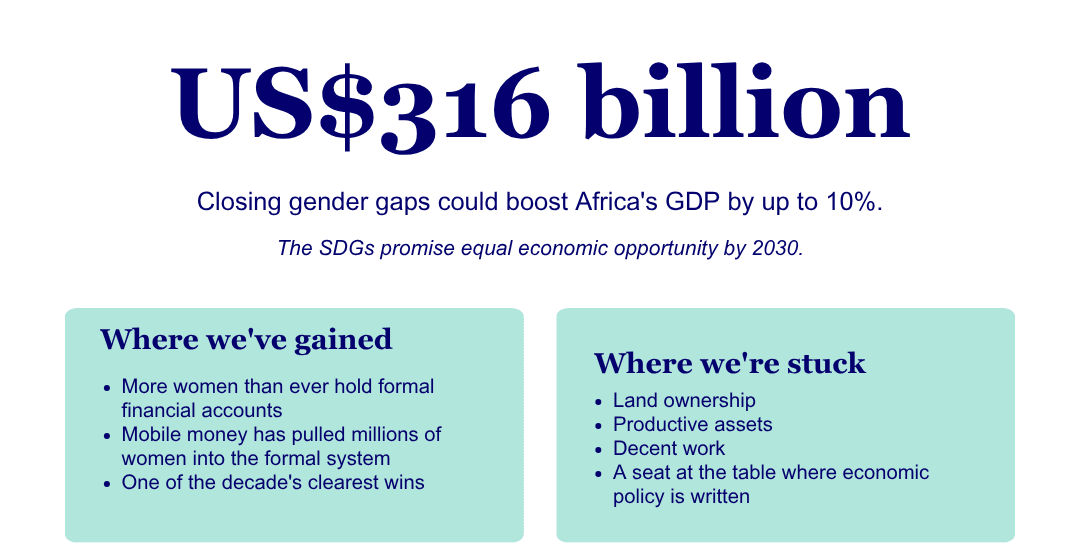
ThrivBold’s take: Achieving financial inclusion has laid the foundation. However, financial power—the capacity to own, borrow, grow, and make decisions—drives the $316 billion. Our focus for the next four years must be on building this power.
WHAT THE EVIDENCE SAYS
Women’s Economic Empowerment: The Key to Africa’s Economic Future
- 58% of Africa’s self-employed are women
- 74% of women’s non-agricultural employment in Sub-Saharan Africa is informal, compared with 61% for men.
- Closing Africa’s gender gap could add approximately US$316 billion to the continent’s economy.
The challenge is whether policies and institutions are designed to remove the structural barriers limiting their economic participation.
We ASK: How can women’s economic empowerment programs meet the 2030 deadlines today?
THIS MONTH’S SPOTLIGHT
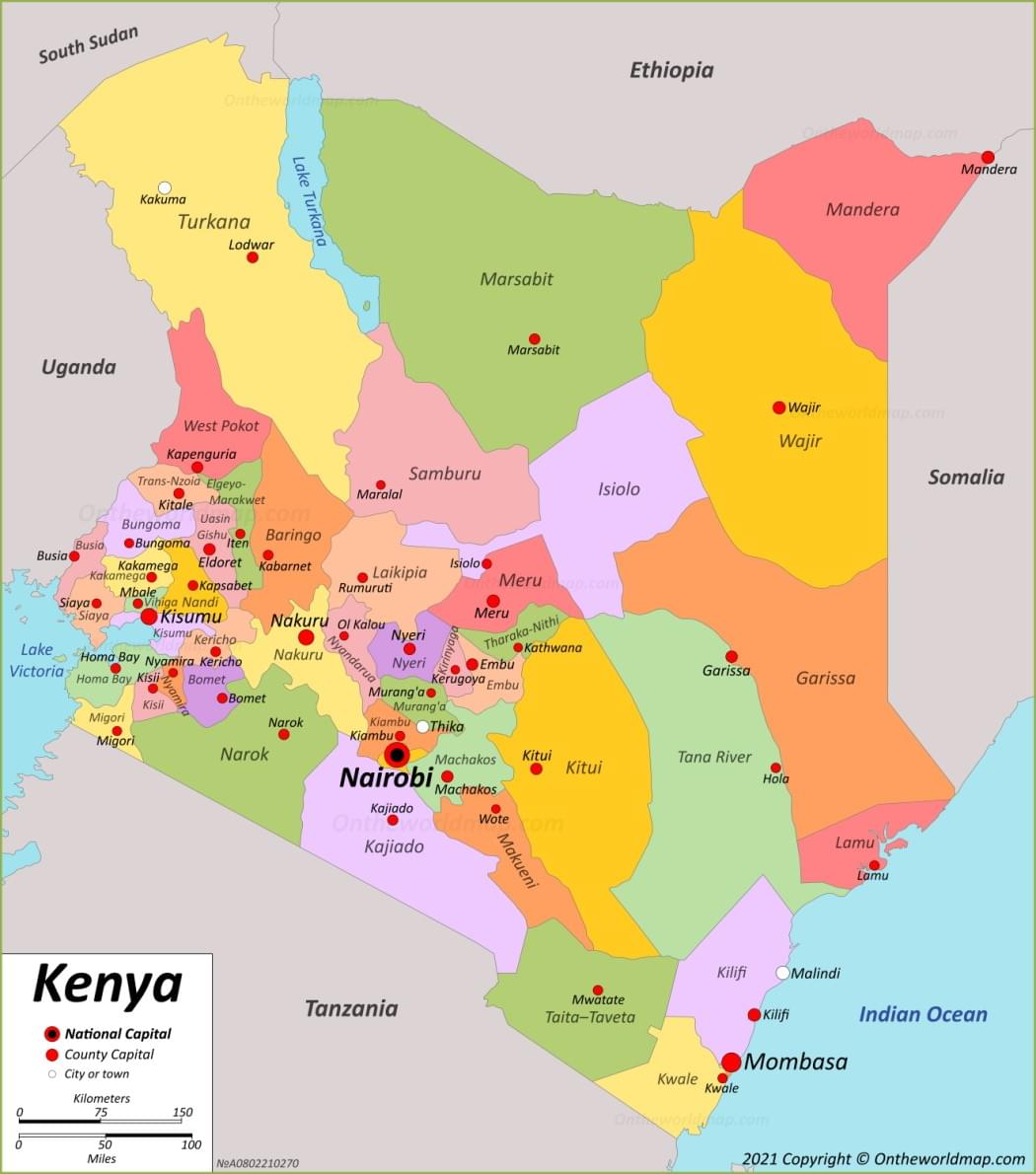
Kenya as one of the continent’s leading examples of how legal reform can expand women’s economic opportunities
Kenya’s experience demonstrates that women’s economic empowerment requires more than just access to employment and entrepreneurship. It also depends on equal rights to property, inheritance, and financial decision-making within families.
Kenya’s Law of Succession Act (1981) and Matrimonial Property Act (2013) demonstrate how legal reforms can increase women’s economic opportunities. Improved inheritance rights have been linked to greater household bargaining power, higher educational attainment, better maternal healthcare, later marriage and childbearing, and less female genital mutilation.
Our POSTCARD 2035
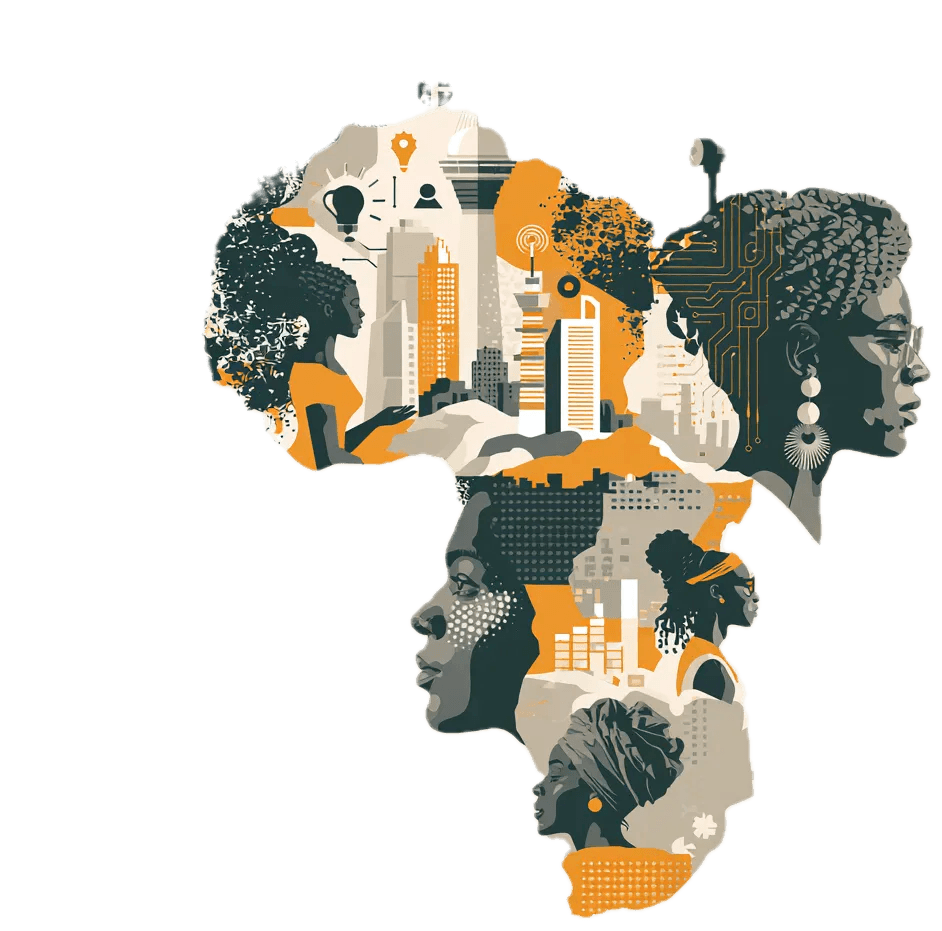
We imagine this Africa with:
- Women-led businesses are thriving across regional markets and value chains.
- Banks compete to serve women entrepreneurs because inclusive finance has become smart business, not a niche product.
- Affordable childcare and care services have enabled millions more women to enter and remain in the workforce.
- Young women access decent work free from discrimination, while women-owned enterprises create jobs and drive innovation.
- National budgets recognize care infrastructure as an economic investment.
- Economic policy is no longer designed for women; it is designed with women.
THRIVBOLD NOTICE
- ThrivBold at the Global Data Festival: gender data is infrastructure
ThrivBold participated in the Inside Gender Data Systems session at the Global Data Festival, held June 2-5, 2026, at The Edge Hotel in Nairobi. The session included data practitioners from Ghana, Kenya, and GROOTS Kenya. Kenya’s State Department for Gender presented its national gender data audit, policy recommendations, and prototypes. The discussion focused on how to finance gender data, identifying three paths: partnerships to share collection costs, highlighting the true cost of gender-based violence, and framing the return on investment as both a rights and economic issue. When women and girls are uncounted, they are excluded from policy and budgets. Find out more here: LinkedIn
ThrivBold incorporates this perspective into our research and MEAL work and seeks collaborations with partners on gender data systems and funding.
- Friday Notes: From our Managing Director: “A tomato is never just a tomato”
Our Managing Director, Bruny Laguerre, has published a new Friday Notes essay following the tomato from field to plate. Women carry the labor at every step. Men control the capital, the transport, and the price. The essay’s central argument: a woman can be present at every node of a value chain and still not benefit from it. Read the full essay.
RESOURCES WORTH SAVING
- Women, Business and the Law 2026
- https://www.unwomen.org/sites/default/files/Headquarters/Attachments/Sections/Library/Publications/2013/12/UN%20Women_EE-Thematic-Brief_US-web%20pdf.pdf
- Full Report: Enabling Women’s Economic Empowerment | OECD
- African women’s report 2021- digital finance ecosystems: pathways to women’s economic empowerment in Africa
- https://afi-global.org/publication/womens-financial-inclusion-digital-financial-services-and-covid-19-policy-response-case-of-zimbabwe/
- https://www.ecoi.net/en/file/local/2124455/transformative-approaches-to-recognize-reduce-and-redistribute-unpaid-care-work-in-womens-economic-empowerment-en.pdf
- https://www.elibrary.imf.org/display/book/9798400246968/9798400246968.xml
- The power of parity: Advancing women’s equality in Africa